

How Classroom Corners Shape Early Years Learning
Reading time: 5 minutes
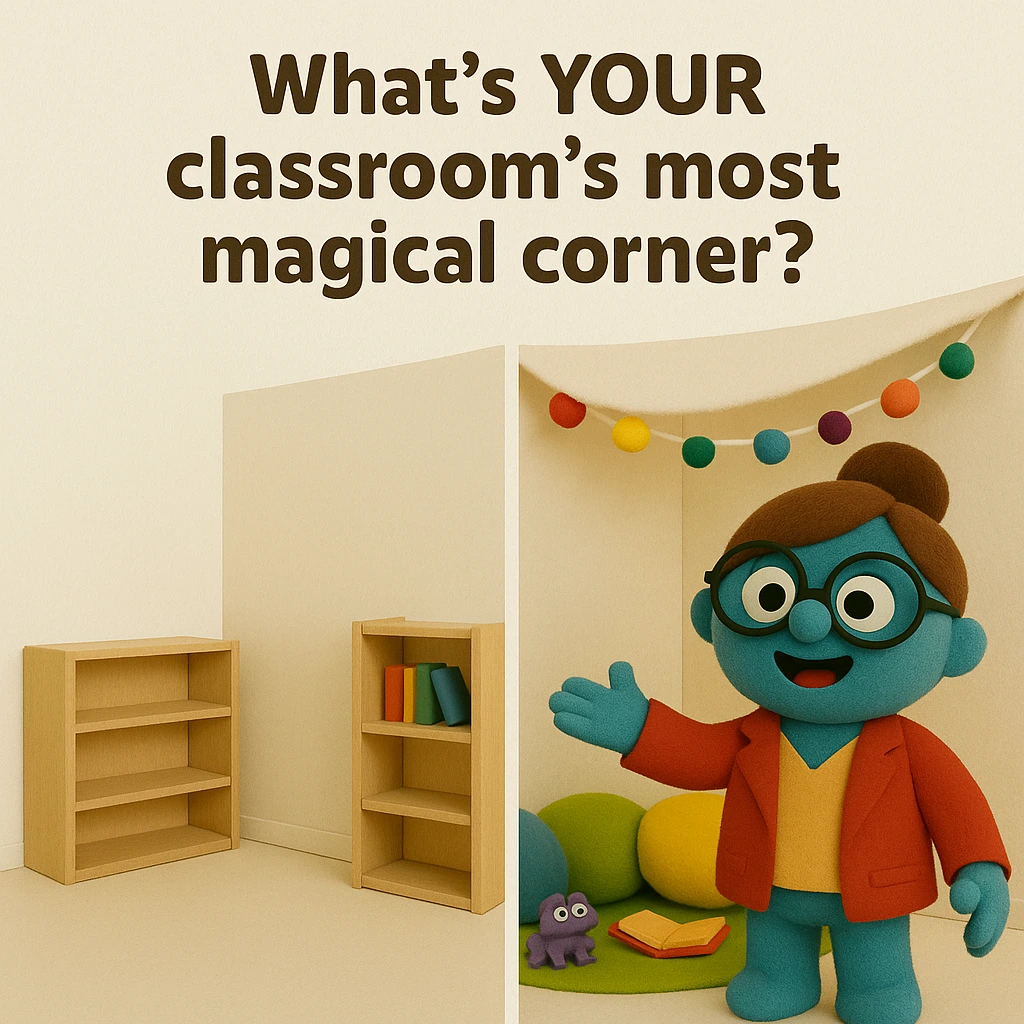
Every classroom contains a small area that feels special, a place where children settle, imagine, and focus. In early years education, these corners often become central to growth and calm. They can support reading, science exploration, or quiet reflection, depending on how teachers design them.
Thoughtful corners do more than look pleasant. They guide behavior and emotion through design. A space with gentle light and soft textures encourages calm concentration. A corner filled with natural materials and mirrors draws children to observe and question. Teachers who plan these areas intentionally discover that the physical layout of a room can nurture independence just as much as any teaching strategy.
I have visited classrooms where remarkable learning environments were built with limited means. One teacher created a reading nook using second-hand cushions and curtains. Another transformed an unused wall into a science zone with clipboards and magnets. A third turned a cupboard into a peaceful reflection spot lined with soft toys and small lights. Each space began as something ordinary and became purposeful through care and imagination.
To design a classroom corner that supports learning, start with three questions.
What feeling should this space evoke? Calm, curiosity, or teamwork?
What materials will invite exploration? Open-ended resources such as fabric, natural textures, and recycled objects often work best.
How does the corner connect to the rest of the room? It should enhance the classroom’s rhythm rather than interrupt it.
Begin with one small area that could serve children better. Add a rug to signal a reading zone, rearrange art supplies to define a creative area, or position sensory activities where children naturally seek quiet. Small changes often produce meaningful change.
After setting up, observe the results. Do children return to the space on their own? Are transitions smoother? These observations show how effectively the environment supports behavior and engagement. Over time, well-planned corners reduce disruptions and build independence.
Classroom corners blend design with pedagogy. They give young learners clear signals about where to focus, collaborate, or rest. For teachers, they provide calm points that balance the movement of an active day. When a classroom layout encourages children to choose spaces that match their needs, learning extends beyond traditional desk spaces. The environment quietly invites them to explore, reflect, and grow.
Thanks for reading!
We love helping teachers make learning creative, hands-on, and fun. If this post inspired you, please share it with a fellow teacher or tag us on social media. It really helps our community grow!
EDU Groove, Stay groovy!